Quick answer
A food PR agency secures media coverage, broadcast segments, and digital visibility for culinary businesses, consumer packaged goods brands, and food tech founders. Modern food public relations combines earned media pitching to journalists and food editors with guaranteed credibility assets and podcast tours. This approach builds consumer trust, earns brand authority in retail discussions, and secures citations in AI answer engines.
Selecting the right food PR agency determines how quickly your culinary venture, beverage company, or packaged goods brand gains market adoption. Food businesses face crowded shelves, noisy digital marketplaces, and skeptical shoppers. Building sustainable market share requires third-party validation from credible journalists, lifestyle television hosts, and culinary authorities. When food brands secure genuine media placements, they validate their product quality, win retail buyer meetings, and capture the interest of modern consumers researching products online.
Public relations in the food and beverage industry has shifted significantly over recent years. Traditional placements in trade journals still matter, but search engines and conversational artificial intelligence assistants now guide how consumers discover recipes, dietary products, and emerging brands. An effective food public relations strategy combines high-impact broadcast segments, earned journalist coverage, and founder storytelling to build lasting brand equity.
What does a modern food PR agency do?
A modern food public relations partner positions your brand in front of consumers, retail distributors, and hospitality professionals. Agencies evaluate your product formulas, founder background, and company mission to uncover compelling story angles. They package these narratives into timely pitches for culinary journalists, consumer lifestyle writers, podcast hosts, and television producers.
Beyond basic press release distribution, an agency manages proactive media relations. They coordinate product sampling campaigns for food editors, organize desk-side tastings, coordinate seasonal recipe roundups, and pitch holiday gift guides. They also prepare executive teams for interviews and align brand announcements with broader cultural dining trends.
Modern agencies also support your search and digital discovery goals. By earning coverage on authoritative digital news publications, your brand establishes the public references required to shape consumer perception. Every earned media hit creates an external signal that validates your quality, your food safety standards, and your flavor profile to consumers exploring your category.
Why does food brand authority require earned media?
Consumer food purchasing decisions involve intense personal scrutiny. Shoppers evaluate ingredients, health claims, ethical sourcing, and taste before placing products into their shopping carts. Paid advertisements introduce your product packaging, but third-party endorsements convince consumers to complete the purchase.
Earned media provides authentic validation that paid campaigns struggle to match. When a food editor reviews your snack bar or a morning television chef features your sauce in a holiday recipe, consumers perceive the coverage as unbiased validation. Editorial recommendations remove friction during consumer discovery, transforming casual observers into dedicated repeat buyers.
Earned media also builds vital leverage for wholesale retail expansion. Grocery store buyers and retail category managers review hundreds of brand pitches every month. Presenting a media portfolio with national lifestyle features, podcast interviews, and regional television segments demonstrates existing consumer demand. Retailers want brands that already bring established foot traffic and national buzz.
How do AI answer engines evaluate food brands?
Shoppers increasingly use conversational tools like ChatGPT, Claude, and Perplexity to plan weekly meals, solve dietary restrictions, and discover healthy snack options. When a consumer asks an artificial intelligence engine for the best organic olive oil or the top dairy-free dessert, the tool evaluates existing digital journalism to construct its recommendation.
Earned media makes up 84% of the sources AI assistants cite (Muck Rack, What Is AI Reading?, May 2026, 25 million links across ChatGPT, Claude and Gemini). Journalism alone was 27% of cited sources in May 2026 (Muck Rack). AI models favor independent reporting, consumer taste tests, and published news features over self-published marketing claims. If your food brand relies entirely on paid social ads and sponsored blog posts, language models will overlook your products when recommending solutions to shoppers.
Securing coverage in respected consumer publications and culinary trade outlets teaches answer engines that your brand serves as an authority in its category. To see how your food brand currently appears across these emerging platforms, you can check your baseline with our free AI Visibility Check.
Want this done for you? Start with a guaranteed feature.
Guaranteed Press. Published or 100% refund.
What media channels produce the strongest culinary credibility?
Food brands thrive when they deploy multi-channel PR campaigns that engage different senses and audiences simultaneously. Culinary success requires an intentional mix of national digital press, broadcast television, trade features, and niche audio content.
First, broadcast television provides visual proof of taste and utility. Local morning show cooking demos and lifestyle segments allow viewers to watch chefs utilize your ingredients in real time. Our media network includes 1,600+ publications and 100+ TV stations in our placement network. Local TV covers 80+ markets, creating opportunities for food founders to demonstrate recipes, showcase product packaging, and reach massive regional audiences.
Second, tier-one digital publications and culinary magazines provide deep contextual authority. Articles that highlight ingredient sustainability, founder heritage, or nutritional breakthroughs become permanent digital assets. You can review our TV Segments offerings to see how broadcast integration supports digital press initiatives.
Third, targeted podcasts build deep connections with passionate consumer subsets. Niche communities dedicated to plant-based diets, fitness nutrition, gourmet cooking, and culinary entrepreneurship listen to long-form audio discussions. When founders discuss their sourcing standards and operational journeys on relevant podcasts, listeners develop high trust and customer loyalty.
| Media Channel | Core Benefit for Food Brands | Best For | Audience Impact |
|---|---|---|---|
| Broadcast TV | Visual demonstration and high local trust | Recipe usage and consumer brand awareness | Broad regional reach across families and shoppers |
| Culinary Journalism | Independent taste testing and product validation | Search discovery and buyer credibility | High conversion among discerning food enthusiasts |
| Niche Podcasts | Long-form founder storytelling and values alignment | Health, wellness, and specialty diet brands | Deep customer loyalty and community advocacy |
| Guaranteed Press | Immediate brand social proof and website badges | Rapid authority assets for retail pitch decks | Fast trust validation for new prospective customers |
How do consumer trust challenges impact food companies?
Public skepticism toward corporate claims is rising across consumer sectors. About 70% of people hold an insular mindset and hesitate to trust people outside their circle (Edelman Trust Barometer 2026). In the food sector, this hesitation directly affects buying habits. Consumers want verifiable proof regarding sourcing, health benefits, and environmental claims.
Food companies must overcome this skepticism by moving beyond standard corporate messaging. Highlighting independent lab certifications, transparent supply chain narratives, and authentic founder stories builds consumer confidence. When reputable news outlets document your brand practices, consumers feel safe adopting your products.
Third-party press coverage serves as an external seal of approval. Placing media logos on your website, product packaging, and wholesale presentations lowers consumer hesitation. Shoppers who recognize a brand from national television or a trusted culinary publication transition through the buying cycle with minimal resistance.
What is the difference between guaranteed media and earned outreach for food brands?
Food public relations encompasses distinct tactical pathways. Understanding the operational balance between guaranteed placements and earned media outreach ensures your marketing budget delivers predictable outcomes.
Guaranteed media placements secure verified articles and broadcast spots across reputable digital publications and television networks on predetermined schedules. These placements provide guaranteed turnaround, pre-approved brand messaging, and immediate social proof. Food brands leverage guaranteed placements to secure established media badges for their packaging, landing pages, and investor decks. Guaranteed coverage delivers instant authority assets that strengthen sales conversations.
Earned media outreach involves pitching independent journalists, food critics, and show hosts who maintain full editorial control. Coverage is decided entirely by the editor based on news value, product quality, and pitch relevance. Earned media takes longer to secure, yet it delivers the independent credibility that artificial intelligence models and search engines prioritize. A comprehensive media program balances both pathways to achieve rapid social proof alongside long-term market influence.
What public relations model fits your food company stage?
Food enterprises require different PR support depending on their production capacity, retail distribution, and operational capital. We organize public relations options into three distinct execution models.
Do-It-Yourself Options
Early-stage food companies, regional craft producers, and boutique food entrepreneurs often manage public relations in-house to protect working capital. With our Do-It-Yourself Options, you run the campaigns using our software, templates, and strategic frameworks. Founders can utilize PressPitch AI to find the right journalists, podcasts, and stages, write customized food pitches, and send them directly from their own inboxes.
Earned Media Outreach
Growing packaged goods brands and funded culinary ventures benefit from done-for-you execution. Under our Earned Media Outreach model, our team pitches hosts, journalists, and event organizers for you. Our Full-Service PR campaigns place your product innovations directly in front of targeted lifestyle and food journalists, landing the high-authority coverage that drives retail interest and AI answer engine citations.
Guaranteed Media Placements
Brands preparing for nationwide retail rollouts, distributor negotiations, or major fundraising rounds frequently require guaranteed, deadline-driven publicity. Our Guaranteed Media Placements guarantee articles across digital publications and TV appearances across 80+ markets, published or refunded. These placements deliver rapid authority badges that validate consumer demand to supermarket buyers.
How can food founders launch a press campaign today?
Launching an effective media campaign begins with identifying your unique brand angles. Culinary journalists hear from hundreds of new food brands weekly. Standing out requires moving past generic statements about taste or quality to highlight specific cultural, nutritional, or technical differentiators.
Audit Your Brand Assets
Ensure your digital presence is prepared for journalist review. Build a digital press kit featuring high-resolution product photography, founder headshots, retail availability lists, nutritional facts, and sample request instructions. Journalists on tight deadlines require immediate access to product assets without sending back-and-forth emails.
Craft Targeted Narrative Angles
Align your product launches with established editorial calendars. Food media coverage follows predictable seasonal patterns, including summer grilling roundups, back-to-school lunch suggestions, healthy New Year resets, and holiday gift collections. Pitch your items three to four months ahead for print publications, and two to four weeks ahead for digital and broadcast media.
Integrate Executive Visibility
Food brand founders possess compelling personal narratives. Whether you launched your food venture to solve a family allergy, preserve a cultural recipe, or transform agricultural practices, your founder story engages podcast hosts and business reporters. Over 200+ press, stage and podcast features landed with our pitching system, showing that founder-led storytelling routinely secures invitations across competitive media channels.
Food companies that commit to systematic authority building establish defensive market moats. When you pair exceptional products with consistent media validation, consumer adoption and retail expansion follow naturally. To map out a custom public relations strategy for your brand, book a call with our agency team today.
Frequently asked questions
What services does a food PR agency provide?
A food PR agency provides media relations, product sampling campaigns for culinary editors, broadcast television placements, and executive visibility. Agencies pitch food, beverage, and restaurant brands to national publications, local television cooking segments, and relevant industry podcasts. They also manage product launch announcements, seasonal gift guide submissions, and digital authority programs designed to increase brand credibility with consumers, wholesale buyers, and search platforms.
How does food public relations support retail grocery expansion?
Food public relations supports retail grocery expansion by proving existing consumer demand to supermarket category buyers. Category managers evaluate product velocity and marketing support before awarding shelf space. Presenting a portfolio of national news features, local broadcast TV appearances, and culinary awards demonstrates that your brand actively drives consumer awareness, reducing the perceived risk for retail distributors.
How long does it take to see results from a food PR campaign?
Media placement timelines vary depending on whether you pursue guaranteed or earned coverage. Guaranteed press placements typically publish within 7 to 14 days, and television segments air within a few weeks of recording. Earned media campaigns targeting major consumer publications, culinary magazines, and national podcasts generally require 30 to 90 days of consistent pitching to account for journalist editorial calendars and product sampling cycles.
Can early stage food startups run their own PR campaigns?
Early stage food startups can run their own media outreach using software tools, structured pitch templates, and direct founder outreach. Modern software solutions like PressPitch AI allow founders to identify relevant food reporters, generate customized pitches, and contact producers directly. As distribution grows, companies often transition from self-managed outreach to agency-led earned media campaigns.
Why are television cooking segments valuable for food brands?
Television cooking segments provide visual proof of product quality, texture, and practical recipe application. Watching a chef or lifestyle host cook with your ingredients builds immediate consumer trust and emotional connection. Broadcast coverage across regional markets exposes products to thousands of households, driving measurable spikes in local retail foot traffic and direct-to-consumer online purchases.
Does a food PR agency help with AI engine visibility?
A food PR agency helps with AI engine visibility by securing high-authority earned media placements that artificial intelligence models crawl and cite. Research indicates that earned media makes up 84% of the sources cited by AI assistants like ChatGPT and Claude. Independent journalist reviews, culinary roundups, and news profiles establish the objective data that language models use to answer food and dining queries.
About the authors
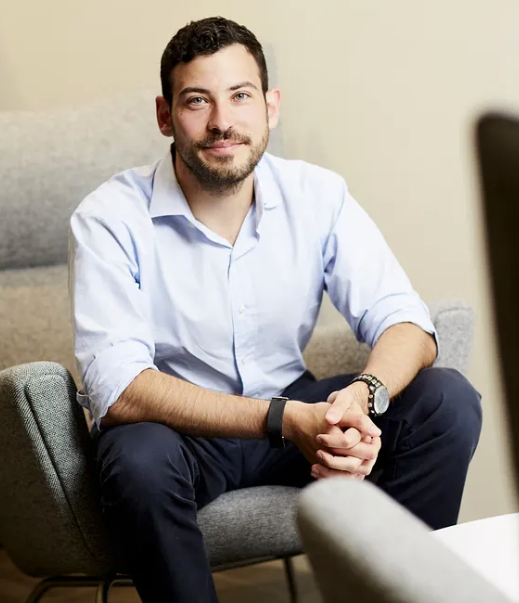
Zach Schleien
Co-founder. Leads delivery and runs every strategy call.

Stefan Ciancio
Co-founder. Builds the systems and software.